
Statistical educators Jackie Carter and Ioanna Papatsouma, who have both experienced breast cancer, explain why we must normalise conversations around disability inclusion in general and breast cancer awareness in particular – in the classroom, in the workplace, and beyond.
Let’s start with some statistics
Breast cancer is the most common cancer in the UK, with one in seven women being affected over their lifetime. 80% of breast cancers are in women over 50. Every year around 55,000 women and 400 men are diagnosed with breast cancer, with a further 7,000 diagnosed with early breast cancer (ductal carcinoma in situ, or DCIS). Almost 90% of women who are diagnosed with breast cancer now survive 5 years or more. (Read more breast cancer facts here.)
According to the charity Macmillan Cancer Support, around 890,000 people of working age in the UK are living with cancer and around 51% of those are unaware that having cancer automatically categorises them as being disabled, that they are therefore covered by the the Equality Act 2010, and that their employer has a legal duty to make reasonable adjustments for them.
Almost 25% (approximately 10-10.2 million people) of the working age population (16-64) in the UK are classed as disabled, according to UK government data. It is estimated that 80% of disabilities are hidden or unseen. And it is well known that disclosure of disabilities within the workplace is problematic, with the result that data collected on disabled employees is likely to represent an undercount of the true situation. There are many reasons why disability disclosure rates in the workplace are depressed.

A mural in Stockport, England, the hometown of Sarah Harding, a member of the pop group Girls Aloud, who died from breast cancer in 2021, at the age of 39. Photo: Jackie Carter. Read more about The Sarah Harding Breast Cancer Appeal
With the high incidence of breast cancer, the often-invisible nature of the condition and the legal protection to employees under the Equality Act 2010, it is important to share not just facts but lived experiences of breast cancer in the workplace. These numbers set the background context, giving us the scale of the issue. But statistics alone cannot convey what it feels like to live through cancer while continuing to work, teach, and navigate everyday life. We hope our own experiences will bring the picture to life.
Ioanna’s story
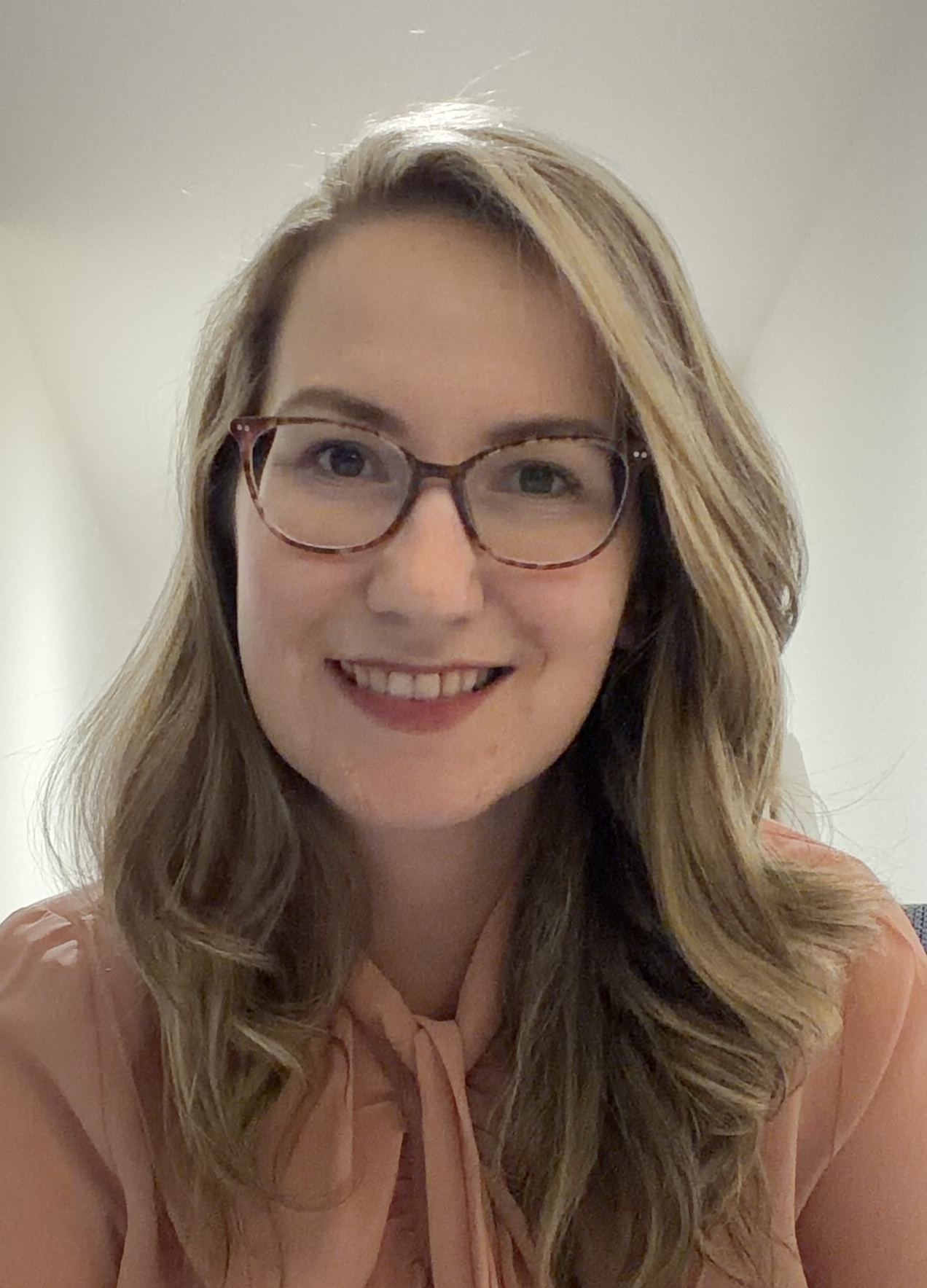
Ioanna Papatsouma
Being a statistician definitely affected how I experience cancer, although not necessarily in the neat ‘I understand the probabilities’ way people might expect. I read papers, and look at survival curves, and trial results, partly because that is just how my brain works. But knowing how to interpret uncertainty does not make uncertainty any easier to live with.
At the same time, my statistical background probably did stop me from panicking completely when I first heard phrases like ‘treatable but not curable’ alongside survival statistics for metastatic breast cancer, such as a 5-year relative survival rate of around 25%. Working in statistics means you become very aware of what averages and population-level numbers do and do not mean. I knew that a percentage could describe a group without defining any one individual person’s future.
Knowing how to interpret uncertainty does not make uncertainty any easier to live with
I want to share my experience not just to tell my story, but to show why asking for help, taking time off, and prioritising self-care matters, especially when life throws you into the unexpected…
It was 13 June 2023, during an appointment at Charing Cross Hospital, when my doctor said, “I’m afraid it’s a type of cancer”. I remember saying, “OK”, as if I understood. But I didn’t. How could I?
No one prepares you for what comes next. A few weeks later, the official diagnosis came: metastatic (stage 4) breast cancer. Time didn’t stop, but it shifted. The world I had known, my routines, my plans, my sense of normality, suddenly felt fragile, foreign. Ordinary days quietly disappeared, replaced by appointments, scans, blood tests, treatments, and a constant, low hum of fear. The months that followed were a blur of chemotherapy, surgery, and radiotherapy. A year-long marathon I never signed up for, and I am still on treatment. At first, I tried to carry on as normal. I kept working. I kept showing up. I kept telling people, “I’m OK”. I thought strength meant continuing. I thought being brave meant not letting anyone see me falter. But cancer does not care about productivity. Treatment is not a side project. It is not something you squeeze around meetings. It takes your body, your energy, your emotions, and it demands to be the priority.
What I’ve learned, and what I wish I had done earlier, is this: I wish I had asked for help sooner. I wish I had taken proper time off work without guilt, without having to explain myself, without trying to prove I was still capable. I wish I had allowed myself to step back instead of clinging to ‘normal’. We are so conditioned to keep going. To not inconvenience anyone. To minimise our pain. But there is no award for doing cancer alone.
You are allowed to make your world smaller. You are allowed to cancel.
You are allowed to rest.
You are allowed to not reply to emails.
You are allowed to disappoint people.
Self-care isn’t indulgent. It’s survival.
If I could go back to 13 June 2023, I would sit beside myself in that consultation room and say: “This will be harder than you think, but you do not have to be strong all the time. Let people carry some of this. No one prepares you for what’s coming, but you can choose how you move through it. Ask for help. Take the time off. Ditch what doesn’t matter. Take care of yourself like someone whose life matters deeply, because it does.”
Since my diagnosis, I have also come to realise how important spaces for open conversation can be. With this in mind, I have recently set up a cancer support group at Imperial College London, open to all staff who are living with cancer or supporting someone close to them through it. The aim is simple: to create a safe and supportive space where people can talk openly, share experiences, and feel less alone. Too often, cancer remains something we whisper about, particularly in professional settings. By creating space for these conversations, we can start to normalise them and remind one another that no one has to face this journey in isolation.
Jackie’s story
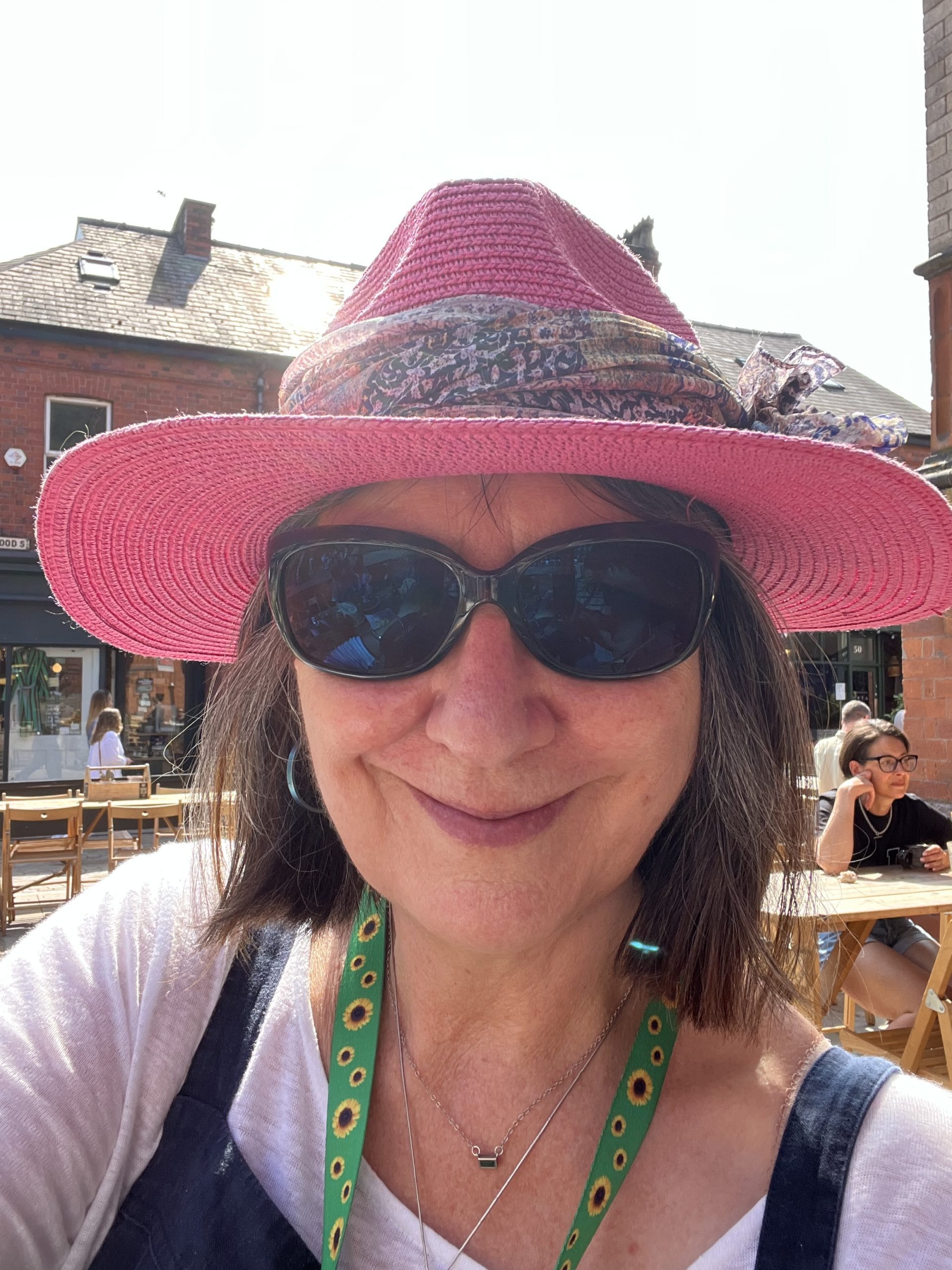
Jackie Carter
One of the things that helped in dealing with my diagnosis was being comfortable with uncertainty. Well, maybe not comfortable, but aware that statistics presented on breast cancer are estimates. It was helpful for me to use those as a backdrop, but I was determined not to think of myself as a statistic, nor to be defined by my diagnosis. This also helped in medical consultations as I was able to ask questions about the nature of the treatment, the chances of success and take this into the post-operation phase.
Some of the women I met later in my cancer support group struggled to make sense of the statistics shared on breast cancer and different treatment options, suggesting there is work to do around the public understanding of statistics for breast cancer patients.
I was able to ask questions about the nature of the treatment, the chances of success and take this into the post-operation phase
My breast cancer story starts with a routine mammogram. A shadow was picked up, which turned out to be an early indication of breast cancer (the DCIS referred to at the start of the article) and I underwent a lumpectomy, radiotherapy and three years of medication. I was 57 when the lump was discovered, so in the age category where most breast cancers in women are detected. To process, and share, what I was experiencing, I began writing a blog, “1 in 8 Females“. The storyteller in me tried to make sense of the lived reality of being a statistic. My biggest regret was that I tried to “power through.” The entry in July 2017 titled “The air that I breathe” reminds me that I went to Australia on sabbatical straight after my final radiotherapy treatment. I thought I was invincible. I wasn’t. Two years after the diagnosis, I wrote a post about coming to terms with the enormity of having had cancer, and the comfort I discovered in finding a support group. That was the last blog post I wrote.
I continued to advocate for understanding of cancer awareness in my professional and personal life. I sought out and drew on the strength of women who understood, through their own lived experience, the toll that having cancer can take on a person. And when I became the University of Manchester’s academic lead for EDI disability in 2023, I set out to normalise conversations around disability inclusion. I started a podcast called “Let’s Talk Disability,” which shared open and honest conversations about the lived experience of disability. This has also led to an accountability framework for senior leaders at the university, and a book chapter titled “A Podcast with a Purpose”, which will be published later this year, discussing the importance of dialogue, action and accountability. In one episode of the podcast, a senior leader discusses the impact of breast cancer with the assistant director of estates. This episode uncovers:
- The realities and emotional labour of invisible disabilities
- Post‑cancer recovery, the ambiguity of “being well again,” and the impact of brain fog and fatigue
- Why hybrid estates — digital and physical — must be understood together
- The importance of embedding disabled voices into estate strategy at project inception
- The role of networks and psychologically safe spaces in empowering disabled colleagues
- Why staff disclosure matters — and how data informs better support and infrastructure
Visible or invisible, declared or not, disability in the workplace is real, and it’s a collective responsibility to ensure that disabled colleagues have their needs met.
What we have learned
We want to amplify the voices of women with disabilities working in statistics. We encourage you to get comfortable speaking about disability and do the work that your colleagues will benefit from. We recognise this might not be an easy next step, though it is necessary. Disabled voices need to be platformed. Disabled stories need to be told and heard. Disability inclusion needs to be as much a part of the workplace and spoken about as confidently and authoritatively in equality, diversity and inclusion spaces as other characteristics.
Disability inclusion needs to be as much a part of the workplace and spoken about as confidently and authoritatively in equality, diversity and inclusion spaces as other characteristics
Designing workplaces and learning spaces to be disability inclusive benefits everyone. And while the numbers tell us the big picture, it’s the stories that make a difference to our everyday lives. And so, we believe we need both, equally.
We would like to finish by addressing the challenging nature of teaching statistics when the data itself might be triggering. Recognise this; address it directly. Given the prevalence of people with a disability in the population, there is a high likelihood that someone in a classroom will have direct experience of disability and/or cancer in their own networks. In his book on statistical literacy, Professor Rhys Jones presents a framework for teaching with what he terms “sensitive data”. Indeed, the statistics we provide in this article, and the lived experiences of the authors, could also be used when teaching about data and stories.
Your story matters too. If you’d like to share it, please get in touch.
Further reading
Harris, J. (2024). Boldly belong: The power of being you in a disabling society. Wiley.
Jones, R. C. (2024) Statistical Literacy: A Beginner’s Guide. Sage.
Ladau, E. (2021) Demystifying Disability: What to know, what to say, and how to be an ally. Penguin Random House
O’Riordan, L., & Greenhalgh, T. (2018). The Complete Guide to Breast Cancer: How to Feel Empowered and Take Control. Vermilion.
Wilbraham, S., Gilligan, R., Carter, J., Evans C. and Best, M (2026) What the First National Disabled Staff Survey Tells Us. Wonkhe.
Jackie Carter is a professor emerita at the University of Manchester, formerly professor in statistical literacy, and a disability advocate, author and podcaster.
Ioanna Papatsouma is principal teaching fellow in statistics at Imperial College London, and chair of the Royal Statistical Society’s Teaching Statistics Section.
You might also like: Autism, Bayesian probability and why we do what we do